
What is SEO & How Does It Work?
These days, having a website alone is no longer enough. If people can’t find you online, your business is almost invisible. This is where SEO (Search Engine Optimization) comes in.
But what does SEO, search engine optimization, actually mean, and how does it work to increase your presence on the internet? Let’s break it down in simple terms.
What is Meaning SEO?
Search Engine Optimization refers to optimizing your website for increased visibility on search engines like Google, Bing, or Yahoo.
Whenever someone performs a search, whether “best pizza near me” or “how to start a blog,” the search engine analyzes billions of pages and displays the most relevant to the searcher’s term.
If your website is correctly optimized, it will have a greater chance of showing up on the first search engine results page.
This is important since studies have shown that more than 70% of users do not click past the first page of the search engine. In short, search engine optimization allows your website to gain more visitors from what those users are searching for.
How Search Engines Work?
To understand SEO, you must first understand how search engines function. This process generally involves three steps as follows,
Crawling
The search engines run special programs called bots or spiders that “crawl” the web. The bots crawl websites, following links and gathering information.
Indexing
The information gathered is stored in a large database called the index. You can think of this as the catalog of a huge library. Each web page is stored and classified.
Ranking
When a user enters a query, the search engine retrieves relevant information from its index and determines, from hundreds of variables such as content quality, relevancy, speed, backlinks, user metrics, and more, which pages to rank in the results page.
SEO is to make sure that your website can be crawled, indexed, and ranked as high as possible when people are searching for topics relevant to you.
Why SEO Matters for Every Business?
- More exposure: The greater your ranking, the more individuals will see your brand.
- Relevant traffic: SEO users are visitors interested in or looking for your product.
- Credibility and trust: Users are more likely to trust organic results over paid ads.
- Cost-effective growth: Once you’ve optimized your site, you’ll get traffic without spending on ads.
That is why companies across industries seek the services of an SEO services provider to expand their digital presence.
Types of SEO
1. On-Page SEO
This area will bring together and help to optimize content and elements on your site, which includes the following.
- Natural use of relevant keywords
- Clear writing of meta titles and descriptions
- Organizing content with headings (H1, H2, etc.),
- Internal linking
- Images with alt tags optimized.
On-page SEO is talking to search engines about what your content is about.
2. Technical SEO
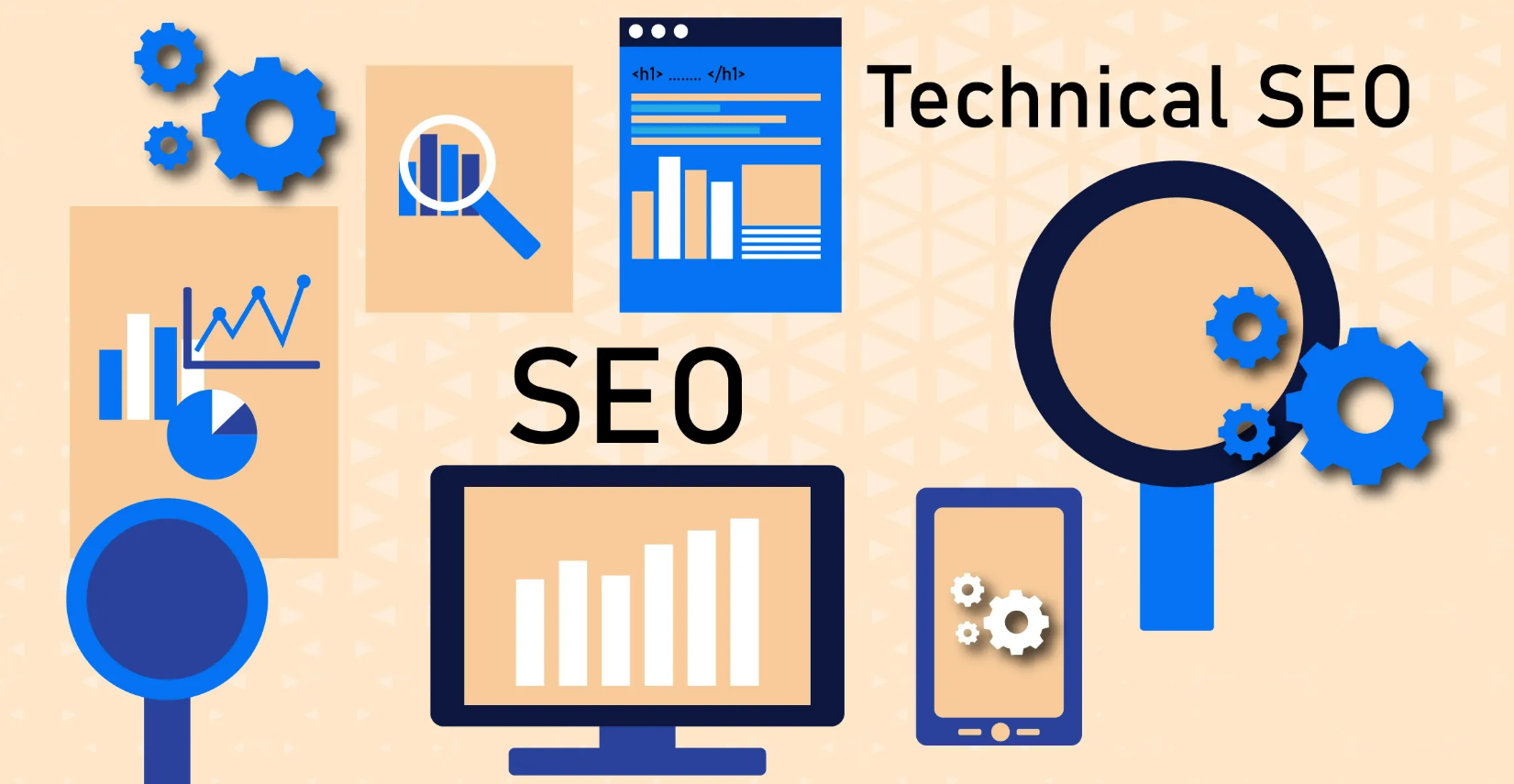
Source Image: gigde.com
Technical SEO focuses on the backend of your site. The goal is to make it easier for search engines to crawl and index your site.
Some important factors include the following.
- Mobile-friendliness
- Fast load times
- Secure connections (HTTPS)
- Well-structured site architecture
- Properly formatted XML sitemaps and robots.txts
Without technical SEO in place, even the best content might have a hard time ranking.
3. Off-Page SEO
This is related to showing your site’s authority through outside influences. The most important is backlinks, links from other respected sites to yours. Other factors include social media signals, online reviews, and brand mentions.
Individually, these three factors combined allow you to create a healthy SEO framework.
SEO Best Practices
-
Conduct Keyword Research
Learn about the intent of your audience by discovering their search queries. Use tools such as Google Keyword Planner, SEMrush, or Ahrefs to find high-value keywords.
-
Create quality content
Websites that provide useful, relevant, and engaging content on their sites are rewarded by the search engines. Blog posts, videos, guides, and infographics are all part of your SEO work.
-
Optimize meta tags
Title tags and meta descriptions should be written using target keywords, so users are encouraged to click.
-
Improve page speed
A slow site frustrates users, and it will also affect rankings. You can improve page speed by compressing images, using caching, and eliminating unnecessary code.
-
Make it mobile-friendly
Most searches are now conducted on mobile, so having a responsive design is essential for SEO.
“If your website is not mobile-friendly, it’s not search-engine friendly.” – John Jantsch
-
Earn high-quality backlinks
Guest posting, outreach to influencers, and creating great content worth sharing are some of the best options to obtain backlinks.
-
Focus on user experience.
Clean, easy-to-navigate websites with high-quality content and minimal pop-ups encourage users to stay longer, which can help improve bounce rate.
-
Monitor and Adapt
Make a practice of using tools like Google Analytics and Search Console to measure performance over time and adapt.
Why Do You Need SEO Services?
With small websites, you can usually manage the basic concepts of SEO internally. However, when a website grows, the company often seeks out professional SEO help. This could involve the following.
- Website audits to see what issues are found
- Competitive analysis
- Keyword research on an ongoing basis
- Technical work to correct certain aspects
- Content strategy and plan for the creation of content
- Link-building campaigns
- Reports on performance regularly.
It helps save time when hiring professionals and makes it all less difficult to ensure the work is being done properly and consistently.
Common Myths About SEO
- “SEO is a one-time task.” SEO takes ongoing maintenance and monitoring.
- “Keyword stuffing helps.” Doing so will not help rankings; it will harm them.
- “Backlinks of any type are good.” Quality is better than quantity; spam backlinks will hurt rankings.
- “SEO results are instant.” It typically takes months to experience real improvements.
Wrapping It Up
Implementing on-page, technical, and off-page strategies while sticking to SEO best practices lets you build a website that not only ranks high but also serves a purpose to users. Regardless of whether you do this personally or pay for SEO services, the rule of thumb is the same – it needs to be done consistently. Search engines favor websites that are constantly evolving, improving, and prioritizing users.