

Local SEO: The Complete Guide to Ranking Your Business Locally in 2026
Customers these days do not search through the directories to look for businesses in the area. Customers rather rely on Google and search things like “near me,” “best cafe in my area,” or “best plumber in my area.” This gave rise to the significance of location-based SEO as a major growth factor.
As a small business owner, service-based entrepreneur, or even a multi-location brand, understanding just a few basics of local SEO can make all the difference in your discoverability, foot traffic, and profit.
Let’s see what you will learn from this guide, namely what local SEO is, why local SEO is important for businesses, how local SEO is different from traditional SEO, as well as tips on how to use your local SEO optimization checklist with a 2026 perspective.
What Is Local SEO Marketing?
Local SEO marketing refers to the method of optimizing a business’s online presence to acquire a significant influx of customers for local searches.
It assists in getting businesses listed in search results when people search for products or services in their locality, like “restaurants near me” or “the best hair salon in Chicago, or the grocery store in New York City”
Local SEO has its own strategies that include optimizing Google Business Profile, local keyword search, reviews, location-based content, and business listing accuracy.
This will be important for smaller to medium-sized businesses that works to a particular geographical area because it will bring your business closer to the communities surrounding your enterprise.
How Does Local SEO Work?
A local SEO helps the search engine understand the location and relevance of the business to its users.
This is achieved by optimizing the Google business listing by using name, address, and phone number (NAP), categories, images, and updating it from time to time
Businesses also optimize location-based keywords like the name of the city or region on their websites. Review sites, local links, and local listings also increase credibility.
When a person searches for local services, the search engines are able to find the local businesses to display based on relevance, distance, and the level of business promotion.
Key Components of Local SEO
A strong local SEO strategy consists of several interconnected components. Here are the most important ones.
1. Google Business Profile Optimization
Google Business Profile, or Google My Business as it was called before, forms the foundation of local SEO. This optimizes your local business listings prominently in the maps section.
A minor change in the listing that entails the mention of accurate business details, categories, pictures, and an update can contribute greatly towards local visibility.
2. Local Keyword Optimization

Source Image: moosemay.com
Including local keywords about your site can assist the search engines with identifying your location. This entails names of cities and service areas along with neighborly references.
3. NAP Consistency
NAP means “Name, Address, and Phone Number.” This is the basic contact details for your business. Your NAP details must remain the same throughout your website and other citations.
4. Online Reviews & Reputation
Positive reviews not only increase client trust, but they also improve rankings. Google uses review amount, quality, and freshness as ranking considerations.
5. Local Citations
Having business listings on websites such as Yelp, Justdial, and industry-focused business directories (so-called local citations) will help to build local authority.
6. Location-Based Content
Local content creation will help increase the visibility of your site(s) for your local searches. The local content may include the blog and service area landing pages.
Once you comprehend these key factors, you should make an effort to understand why paying attention to local search engine optimization could be a transformational experience for you.
Why Local SEO Is Important?
Local searches normally tend to indicate high buying intent. Most of the individuals searching for local businesses tend to get into contact with the business on the same day.
The rise of mobile usage has increased the importance of local SEO. Most local searches are carried out on mobile devices, and Google favors local, relevant information for mobile device users.
Thus, local SEO efforts enable smaller companies to rival larger companies locally, making it one of the best budget-friendly digital marketing tools available.
Furthermore, the business entities that feature in local packs and maps tend to be considered more trustworthy and credible source by customers.
How Local SEO Differs from General SEO
Source Image: brightlocal.com
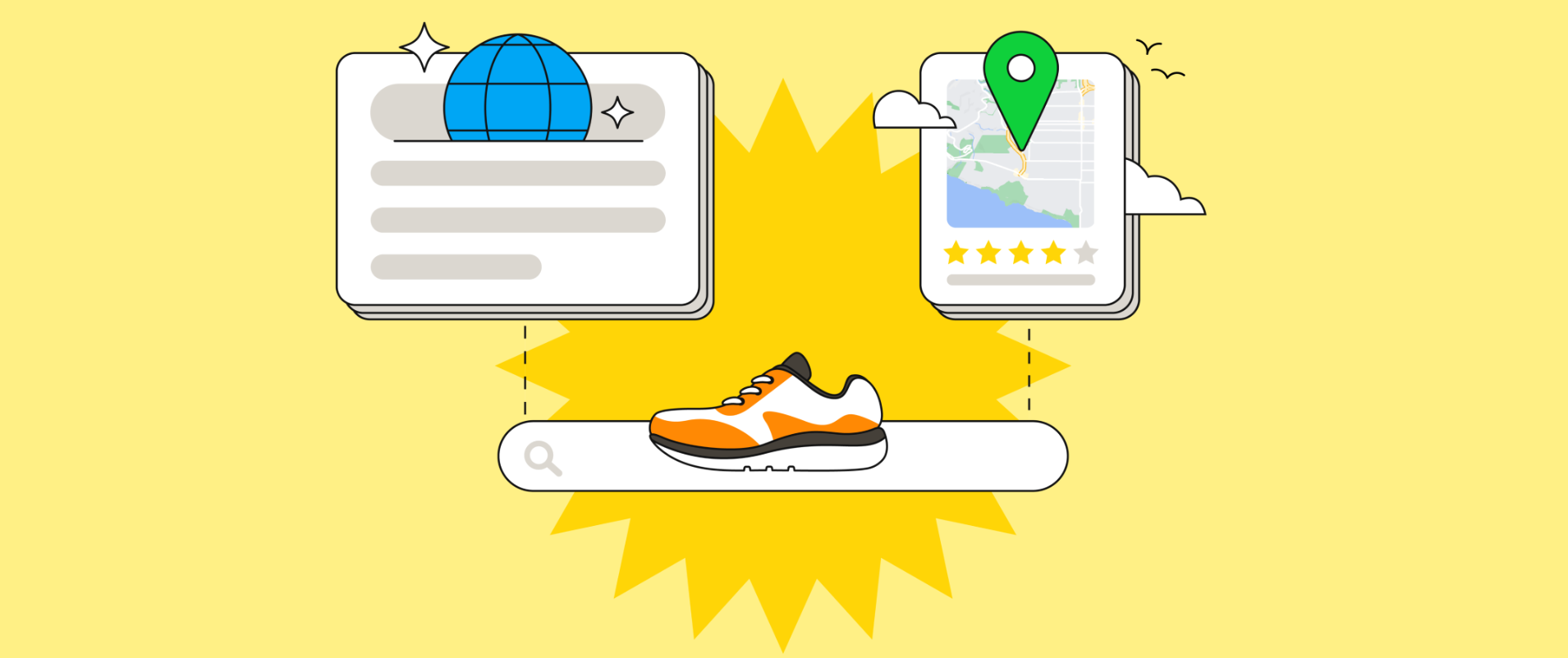
While local SEO and general SEO share a few common characteristics, they are very distinct from each other.
General SEO includes both Nationally and Globally indexed keyword ranking positions; it also involves broad content strategies and Competitive Backlink Profiles.
Local SEO focuses on the geography associated with a business or service, as well as map-based search results, Local citations and Reviews, and Physical Business Locations.
An example of this would be if a blog was ranking for “The Best CRM Software” using General SEO versus several local search related terms such as “CRM Consultant in Mumbai”.
Understanding the difference between Local SEO and General SEO is important when looking to achieve local SEO results as opposed to using the same overall techniques used for General SEO.
How to Do Local SEO?
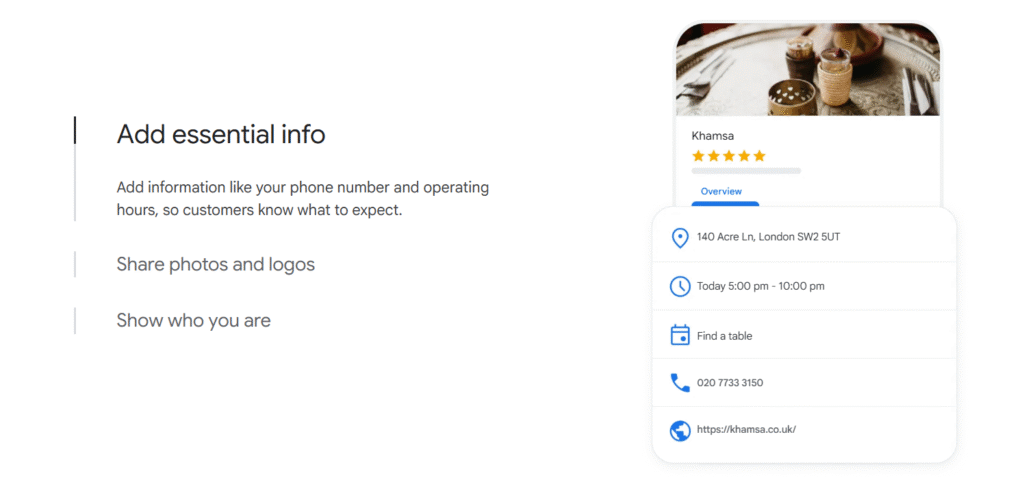
Step 1: Optimize your Google Business Profile
All the sections, categories, quality photos, and updates must be completed.
Step 2: Perform local keyword research
Include keywords that link your business offerings and location. This can be done by adding them to your site.
Step 3: Create location-specific pages
If you service multiple locations, set up individual sites for each with their own content.
Step 4: Create Local Citations
Source Image: karachiseoservices.com
Submit your business information to reputable directories to maintain consistency across all platforms.
Step 5: Encourage customer reviews
Your business information should be submitted to trustworthy directories to keep your information consistent on all platforms.
Step 6: Optimize for mobile
A good website needs to be quick-loading, mobile-friendly, and enable easy contact.
Local SEO Checklist 2026
As search algorithms improve, businesses need to upgrade too. So, here is a local SEO checklist 2026:
- Optimized Google Business Profile
- Consistent NAP across all platforms
- Local keywords mapped to relevant pages
- Mobile-first website design
- Strong local backlinks
- Regular customer reviews and responses
- Location-based updates on content
- Optimized images with local alternative text
- Voice search-friendly FAQs
Local SEO Tools to Boost Performance
Using the appropriate tools streamlines optimization and tracking. Popular local SEO tools include,
- Google Search Console: Monitor local keyword performance
- Google Business Profile Insights: Track calls, clicks, and exposure
- Semrush: Provides local rank tracking and citation audits
- Ahrefs: Backlink analysis and keyword research
- BrightLocal: Local SEO Reporting and Reputation Management
Using these tools, you have the ability to monitor progress and make improvements.
The companies that can adjust quickly to this kind of change can gain a competitive edge as well as maintain visibility within the local online economy.
Wrapping It Up
Being aware of what local SEO marketing is, following the best practices, and having the right tools in place could take consumers directly to local businesses when they are ready for purchasing.
Take immediate action, or handle it by yourself or in partnership with professional local SEO firms like OptiVibe Media. The key is to concentrate on the optimization aspect consistently, utilize the 2026 checklist, and set your firm up to conquer local search engine results for the long-term. Do not procrastinate; today will provide the ideal foundation for your local SEO experience.